
This post contains affiliate links. If you book a flight, hotel, or taxi through these links, I may earn a small commission at absolutely no extra cost to you. Thanks for supporting the blog. Here’s how it works.
Moving to a new country is never just about geography—it’s about rebuilding your life from the ground up. For many immigrants choosing Canada, Montreal stands out as a culturally rich, affordable, and opportunity-filled city. Located in the heart of Quebec, Montreal blends European charm with North American ambition. But behind its cobblestone streets and vibrant festivals lies a complex reality—especially for newcomers trying to navigate work, language, and community.
This guide dives deep into what it truly means to move to Montreal as an immigrant: the job market, in-demand careers, real experiences, challenges, and what you should prepare for before booking your flight.
Planning Your Move: Booking the Journey
Before diving into life in Montreal, your journey begins with the right travel arrangements. Many newcomers prefer flexible and budget-friendly flight options when relocating.
Find affordable and flexible flights for your move here:
Book your flight to Montreal now
Choosing the right airline with flexible baggage policies and rescheduling options can make your transition significantly smoother—especially if you’re carrying your life with you.
Why Montreal Attracts Immigrants
Montreal is often seen as a “soft landing” for newcomers compared to cities like Toronto or Vancouver. Here’s why:
Lower cost of living (rent is comparatively affordable)
Montreal has built a reputation as a “soft landing” city for newcomers to Canada, especially when compared to more expensive and competitive hubs like Toronto and Vancouver. One of the biggest reasons is its relatively lower cost of living. Rent prices in Montreal are generally more affordable, allowing newcomers to secure decent housing without the intense financial pressure seen in other major cities.
This affordability extends beyond rent to groceries, transportation, and entertainment, making it easier for immigrants to settle and stabilize financially during their first few years.
Diverse cultural communities
Another major advantage is Montreal’s rich cultural diversity. The city is home to vibrant immigrant communities from across the globe, which helps newcomers feel less isolated and more connected. Whether it’s food, festivals, or community organizations, Montreal offers a welcoming environment where people can maintain their cultural identity while integrating into Canadian society.
This multicultural atmosphere also fosters openness and inclusivity, which can make the transition smoother for individuals and families alike.
Strong public services
Montreal also stands out for its strong public services. Healthcare, public transportation, and social support systems are well-developed and relatively accessible. The city’s transit network, operated by Société de transport de Montréal, makes commuting affordable and efficient, reducing the need for a car. Additionally, Quebec’s social programs often provide added support to newcomers, including language training and integration services, which are particularly valuable for those adapting to a new environment.

Growing tech and creative industries
Economically, Montreal has been gaining attention for its growing tech and creative industries. The city has become a hub for artificial intelligence, video game development, and digital media, attracting global companies and startups alike. This growth creates opportunities for skilled immigrants in fields like IT, design, and engineering.
Compared to Toronto or Vancouver, the job market in Montreal can feel less saturated in certain sectors, offering a more accessible entry point for newcomers looking to build their careers.
World-renowned universities and education system
Finally, Montreal is home to world-renowned universities and a strong education system. Institutions such as McGill University and Université de Montréal attract students from around the world and contribute to the city’s dynamic, youthful energy. For families and international students, this means access to high-quality education at comparatively lower tuition costs. The presence of these institutions also supports research, innovation, and a steady pipeline of talent, further strengthening Montreal’s appeal.
Altogether, these factors make Montreal a practical and appealing choice for newcomers seeking a balanced, supportive, and opportunity-rich start in Canada.
However, these advantages come with trade-offs—especially when it comes to language and employment access.
Job Opportunities in Montreal: What You Need to Know
Montreal has a surprisingly dynamic job market, but it’s not evenly accessible to everyone.
Key Industries Hiring in Montreal
Technology And IT
Montreal has steadily established itself as one of North America’s most dynamic Technology and IT hiring hubs, with software development roles forming the backbone of this ecosystem. Companies across sectors—finance, healthcare, e-commerce, and SaaS—are actively recruiting developers skilled in full-stack engineering, cloud computing, and mobile application development. The presence of global firms like Shopify and Google, alongside a vibrant startup scene, has created continuous demand for talent proficient in languages such as Python, JavaScript, and Java.

Montreal’s affordability compared to cities like Toronto also allows startups to scale engineering teams more aggressively, which in turn sustains a strong pipeline of opportunities for both junior and experienced developers.
Artificial Intelligence is where Montreal truly distinguishes itself on the global stage. The city is widely recognized as a leading AI research hub, largely due to institutions such as Mila and pioneering figures like Yoshua Bengio, a Turing Award winner. These research centers collaborate closely with industry players, creating a powerful bridge between academic innovation and commercial application. As a result, there is high demand for AI specialists in machine learning, deep learning, natural language processing, and computer vision.

Major corporations including Microsoft and Meta have established AI labs in Montreal, further intensifying hiring competition. Startups in areas like autonomous systems, fintech, and health-tech are also aggressively recruiting AI talent, making the city particularly attractive for specialists who want to work on cutting-edge technologies with real-world impact.
Game development is another cornerstone of Montreal’s tech economy, positioning the city as one of the world’s top gaming hubs. Industry giants such as Ubisoft, Electronic Arts, and Warner Bros are located in Montreal. Games operate major studios in the city, employing thousands of developers, designers, and artists. This concentration of talent has created a thriving ecosystem that supports everything from AAA game production to indie studios. Demand is particularly strong for gameplay programmers, graphics engineers, and technical artists who can work with engines like Unreal and Unity.

Montreal’s supportive government policies, including tax incentives for multimedia production, have further fueled growth in this sector, ensuring a steady stream of hiring and long-term stability for professionals in game development.
Overall, Montreal’s Technology and IT sector thrives on a unique combination of academic excellence, government support, and industry investment. Software development provides the broad employment base, AI drives innovation and global recognition, and game development adds creative and economic strength. Together, these industries make Montreal not just a strong job market, but a globally competitive tech ecosystem that continues to attract talent from around the world.
Healthcare
In Montreal, the demand for nurses remains exceptionally high as they form the backbone of the healthcare system, working across hospitals, clinics, long-term care centres, and community facilities. The growing and aging population has significantly increased the need for continuous patient care, leading to a sharp rise in job vacancies and recruitment efforts across Quebec. In fact, healthcare vacancy rates have risen substantially in recent years, with thousands of nursing positions remaining unfilled, highlighting the urgency of this demand.

Nurses are responsible not only for direct patient care but also for coordinating treatments, monitoring recovery, and collaborating with multidisciplinary teams, making them indispensable to maintaining the efficiency and quality of healthcare services in Montreal’s rapidly expanding system.
Personal support workers, often referred to as patient care attendants or nurse aides, are also in strong demand throughout Montreal, particularly in long-term care homes and hospitals where daily patient assistance is essential. These workers provide hands-on support with basic needs such as mobility, hygiene, and feeding, playing a crucial role in improving patients’ quality of life. The shortage in this occupation has been described as significant, with far more job openings than available workers in recent years, especially as healthcare facilities struggle to keep up with rising service demands .
This shortage is closely linked to demographic trends, as an aging population requires more long-term and home-based care, making personal support workers one of the fastest-growing and most critical roles in the healthcare workforce.
Medical technicians, including laboratory technologists and diagnostic specialists, are another key group experiencing growing demand in Montreal’s healthcare sector. These professionals operate advanced medical equipment, conduct laboratory tests, and assist in diagnosing diseases, which are essential for accurate and timely treatment decisions. With ongoing advancements in medical technology and increased reliance on diagnostic services, healthcare institutions are actively hiring skilled technicians to support clinical operations. Job listings consistently show opportunities for medical technologists in laboratories and healthcare facilities across the Montreal region, reflecting a steady need for technical expertise alongside clinical care.

As healthcare systems continue to modernize and expand, the role of medical technicians is becoming increasingly vital in ensuring efficient and high-quality patient care.
Construction & Skilled Trades
Electricians are one of the most in-demand skilled trades in Montreal, driven by ongoing residential construction, infrastructure upgrades, and commercial development. Over recent years, the region has experienced a clear labour shortage in electrical trades, meaning there are more job openings than qualified workers available, which creates strong employment opportunities for both apprentices and experienced workers. Job listings regularly show dozens of openings with competitive hourly wages and benefits, reflecting steady demand across construction sites, maintenance projects, and industrial settings.

As older workers retire and new construction projects continue, electricians are expected to remain a stable and essential occupation in Montreal’s construction sector.
Plumbers also play a critical role in Montreal’s construction and building maintenance industry, with demand fueled by both new developments and the renovation of older buildings common across the city. Plumbing work spans residential, commercial, and industrial projects, including water systems, heating, and sanitation infrastructure, making it a versatile and consistently needed trade. Industry trends suggest that skilled trades like plumbing remain highly valued because they require certification and hands-on expertise that cannot easily be automated.

Community discussions and labour insights consistently highlight plumbing alongside electrical work as a trade that offers long-term job stability and opportunities for self-employment or contracting, particularly in a city with aging infrastructure and ongoing housing demand.
General laborers form the backbone of the construction workforce in Montreal, supporting skilled trades and handling essential site tasks such as material transport, site preparation, and cleanup. The job market shows a high volume of openings for construction labourers, often requiring little formal education, which makes it an accessible entry point into the industry. With thousands of construction-related jobs available in the region and wages varying based on experience and project type, general labour roles provide steady employment and a pathway into specialized trades.

Many workers begin as labourers and later transition into apprenticeships in trades like electrical or plumbing, making this role a key starting point within Montreal’s growing construction sector.
Customer Service & Retail
In Montreal, call center agents remain a significant part of the customer service sector, especially as companies in banking, telecommunications, and e-commerce rely heavily on centralized support systems. Over recent years, there has been a noticeable labour shortage in this field, meaning employers have often struggled to find enough qualified workers to meet demand. This has created steady hiring opportunities, with hundreds of roles frequently posted across the city in both inbound and outbound customer support.

However, the long-term outlook is becoming more competitive due to automation, artificial intelligence, and outsourcing to lower-cost regions, which are gradually reducing the number of entry-level positions while increasing the need for more skilled, tech-savvy agents.
Store associates also represent a major hiring area within Montreal’s retail industry, driven by the city’s active shopping districts, malls, and growing e-commerce support operations. Retail businesses continuously recruit staff for roles such as sales associates, stock handlers, and customer experience representatives, with hundreds of openings appearing regularly across major employers and retail chains. These roles are often accessible to newcomers and students because they require fewer formal qualifications, but they demand strong interpersonal skills, adaptability, and the ability to work flexible hours, including weekends and holidays.

The rise of omnichannel retail has also expanded responsibilities, with many store associates now assisting with online orders, returns, and digital customer interactions.
Overall, the customer service and retail sector in Montreal continues to provide accessible entry points into the job market, supported by consistent hiring activity and a wide range of roles. While demand remains steady, the nature of these jobs is evolving, with employers placing greater emphasis on bilingual communication, digital tools, and customer experience skills. Salaries vary depending on experience and role, but customer service positions in Montreal can range from hourly wages to higher-paying supervisory roles, reflecting the sector’s diversity.
Despite some challenges such as automation and competition, these industries remain essential to the city’s economy and continue to offer employment opportunities for a broad workforce.
Finance & Business Services
Accountants are in steady demand across Montreal’s finance and business services sector because every organization—from startups to large corporations—requires accurate financial reporting and compliance with regulations. Professionals in this field typically handle bookkeeping, financial statements, audits, and tax preparation, while also ensuring adherence to standards such as IFRS. In Montreal, accountants are especially valued in industries like technology, manufacturing, and financial services, where growth and regulatory complexity require strong financial oversight. Employers often look for candidates with professional designations like CPA, along with strong analytical and software skills, as businesses increasingly adopt digital accounting systems and automation tools.

The consistent need for financial transparency and internal controls makes accounting a stable and essential career path in the city.
Analysts, particularly financial analysts, are experiencing growing demand in Montreal due to the city’s expanding economy and its strength in sectors like tech and aerospace. These professionals play a strategic role by analyzing financial data, preparing forecasts, building models, and supporting decision-making at the management level. Many roles involve budgeting, performance analysis, and creating dashboards or reports that guide business strategy. Employers increasingly seek candidates with strong technical skills such as Excel, data visualization tools, and even programming languages like Python or SQL, reflecting the shift toward data-driven decision-making.

According to recent job market insights, demand for financial analysts in Montreal continues to rise with competitive salaries and opportunities across both established companies and innovative startups.
Current Job Market in Montreal (Reality Check)
While opportunities exist, the current job market in Montreal is competitive and language-sensitive, especially for newcomers and those without strong professional networks. Many employers prioritize candidates who are bilingual in English and French, with French often being a key requirement for customer-facing and public sector roles. Even in industries like technology, where English is widely used, having at least conversational French can significantly improve job prospects and workplace integration. Additionally, the influx of immigrants, international students, and local graduates has increased competition for entry-level and mid-level positions, making it harder to secure roles without relevant Canadian experience.
As a result, job seekers often need to be flexible, open to starting in transitional roles, and proactive in building connections, upgrading skills, and adapting their resumes to meet local hiring expectations.
What’s happening right now:
- Bilingual candidates (French + English) have a major advantage.
- Many companies require advanced French proficiency, even for technical roles.
- Entry-level jobs are easier to find, but career growth may stall without French.
- Networking is crucial—many jobs are filled through referrals.
In simple terms: jobs exist, but access is selective.
Most In-Demand Jobs in Montreal
If you’re planning long-term, these roles are consistently in demand:
Software Engineers
Software engineers, particularly those specializing in artificial intelligence and machine learning, remain among the most sought-after professionals in Montreal. The city has established itself as a global AI hub, driven by institutions like Mila and major investments from companies such as Google and Microsoft. As businesses increasingly adopt automation, data-driven decision-making, and advanced analytics, the demand for skilled developers continues to grow.

Employers are particularly interested in candidates with strong programming skills, experience in frameworks like TensorFlow or PyTorch, and the ability to work in collaborative, research-driven environments.
Registered Nurses
Registered nurses are in consistently high demand across Montreal due to an aging population and ongoing pressure on the healthcare system. Institutions such as McGill University Health Centre and CIUSSS du Centre-Sud-de-l’Île-de-Montréal regularly seek qualified nursing staff to fill shortages in hospitals, long-term care facilities, and community clinics. The role requires not only clinical expertise but also emotional resilience and strong communication skills.

For newcomers, obtaining proper licensing and French language proficiency can be essential steps toward securing employment in this field.
Truck Drivers
Truck drivers play a crucial role in maintaining the flow of goods across Quebec and the rest of Canada, making this occupation highly in demand. With the rise of e-commerce and supply chain expansion, logistics companies are constantly searching for reliable drivers to handle long-haul and regional deliveries. Montreal’s strategic location as a transportation hub increases the need for drivers who can operate efficiently across provincial and international routes.

While the job offers stable income opportunities, it also requires long hours on the road and adherence to strict safety and regulatory standards.
Construction Workers
Construction workers are another key part of Montreal’s workforce, fueled by ongoing infrastructure projects, residential developments, and commercial expansions. From large-scale public works to private real estate projects, the demand for skilled and general laborers remains strong. Workers with experience in trades such as carpentry, electrical work, and plumbing are especially valued.
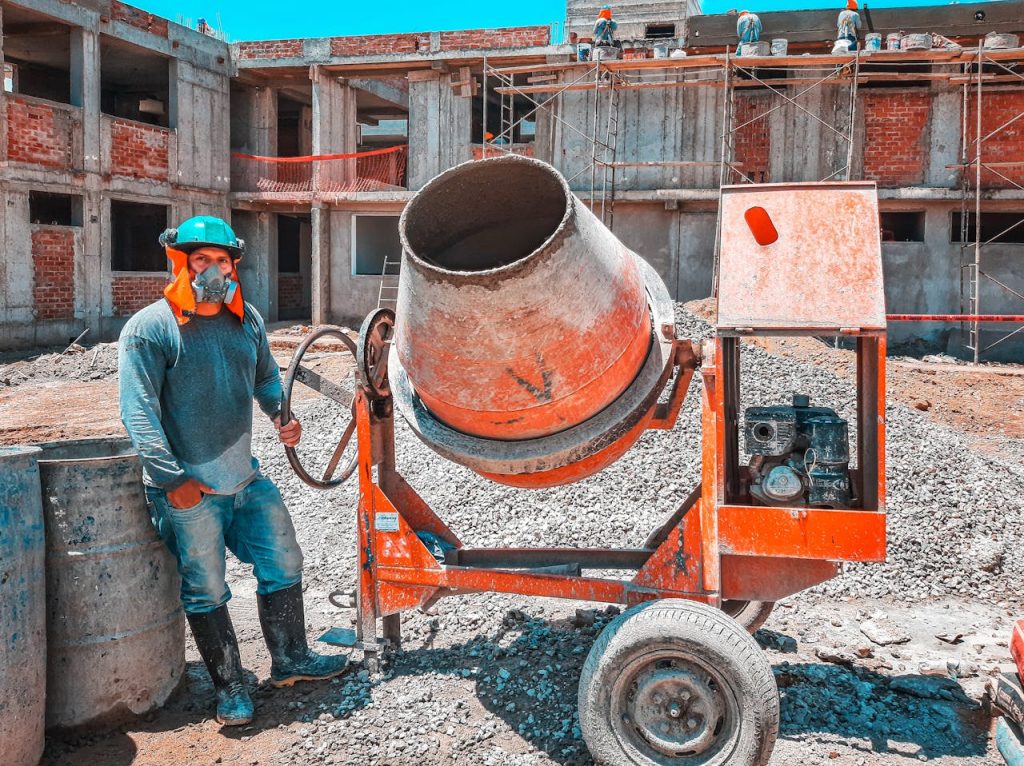
The industry often offers competitive wages and opportunities for career growth, although it can be physically demanding and influenced by seasonal weather conditions.
Early Childhood Educators
Early childhood educators are increasingly needed as Montreal continues to invest in childcare services and early learning programs. Centres affiliated with organizations like CPE play a vital role in supporting working families and promoting child development. Qualified educators who understand child psychology, curriculum planning, and inclusive teaching practices are highly valued.

Fluency in French is typically required, and certification or relevant education in early childhood studies significantly improves job prospects.
Bilingual Customer Support Specialists
Bilingual customer support specialists are in strong demand due to Montreal’s unique linguistic environment, where both French and English are widely used in business operations. Companies across sectors—including finance, telecommunications, and retail—seek professionals who can effectively communicate with diverse customer bases. Organizations such as Bell Canada and Desjardins Group frequently hire for these roles.

Strong interpersonal skills, problem-solving abilities, and fluency in both languages are essential, making this a popular entry point into the job market for many newcomers.
Real-Life Experiences: Finding a Dream Job
Story 1: The IT Professional
A software developer from India arrived in Montreal with strong coding skills but limited French. Initially, he struggled to get interviews. After six months of intensive French learning and networking through local meetups, he landed a job at a mid-sized tech firm.
Lesson: Skills open doors, but language unlocks them.
Story 2: The Healthcare Worker
A nurse from the Philippines found employment relatively quickly due to demand in healthcare. However, she had to undergo credential recognition and improve her French to communicate effectively with patients.
Lesson: Regulated professions require patience and adaptation.
Story 3: The Retail Worker Turned Manager
An immigrant from North Africa started working in retail. Being fluent in French helped him quickly move into a supervisory role.
Lesson: Language fluency can accelerate career growth dramatically.
Challenges Immigrants Face in Montreal
Let’s be direct—Montreal is welcoming, but not effortless.
1. Language Barrier (The Biggest Challenge)
One of the most significant challenges immigrants face in Montreal is the language barrier, particularly the dominance of French language in everyday life. While many people in the city are bilingual, French is the primary language used in government services, education, and most workplaces. Immigrants who are not fluent in French may find it difficult to secure jobs, access public services, or fully integrate into society.
Even highly skilled professionals can face setbacks if they lack strong French communication skills, making language learning an essential part of settling successfully.
2. Education System for Children
Another important challenge involves navigating the education system for children. Quebec’s education system is distinct from other provinces in Canada, with specific rules regarding language of instruction and school eligibility. For example, most immigrant children are required to attend French-language schools unless they meet strict criteria for English education.
This transition can be difficult for children who are not familiar with French, as well as for parents trying to support their academic progress. Adjusting to a new curriculum, teaching style, and cultural environment can take time and patience for the entire family.
3. Recognition of Foreign Credentials
Recognition of foreign credentials is also a major hurdle for many newcomers. Immigrants who arrive with degrees, certifications, or professional experience from their home countries often find that their qualifications are not immediately accepted in Quebec. Regulatory bodies and employers may require additional exams, local certifications, or Canadian work experience.
This can lead to underemployment, where skilled individuals are forced to take jobs below their qualification level while they work toward recognition of their credentials, which can be both financially and emotionally challenging.
Competitive Job Market
The competitive job market in Montreal adds another layer of difficulty. Although the city offers opportunities in sectors like technology, healthcare, and construction, there is strong competition for well-paying positions. Employers often prioritize candidates with local experience, strong language skills, and familiarity with workplace culture in Quebec.
As a result, immigrants may need to start with entry-level roles, build local networks, and gradually work their way up. This process can take time and persistence, especially in industries where demand fluctuates.
5. Cultural Adjustment
Finally, cultural adjustment plays a subtle but impactful role in the immigrant experience. Adapting to life in Montreal means understanding social norms, workplace expectations, and cultural values that may differ significantly from one’s home country. From communication styles to winter lifestyles, the transition can feel overwhelming at first.
Building a new social circle, coping with homesickness, and finding a sense of belonging are all part of the journey. Over time, however, many immigrants find that Montreal’s diversity and openness help them integrate and create a new identity within the community.
Community Life: Welcoming but Competitive
Montreal’s multicultural landscape is one of its biggest strengths, bringing together South Asian, Arab, African, Chinese, and European communities that shape the city’s identity in meaningful ways. In neighborhoods across Montreal, you can find cultural associations, language-specific services, religious centers, and businesses that reflect these backgrounds, making it easier for newcomers to settle in. This sense of familiarity can reduce culture shock, provide emotional support, and help with practical needs like housing, childcare, and navigating daily life. Being surrounded by people who share your language or traditions often creates a comforting starting point, especially during the early stages of immigration when everything feels unfamiliar.
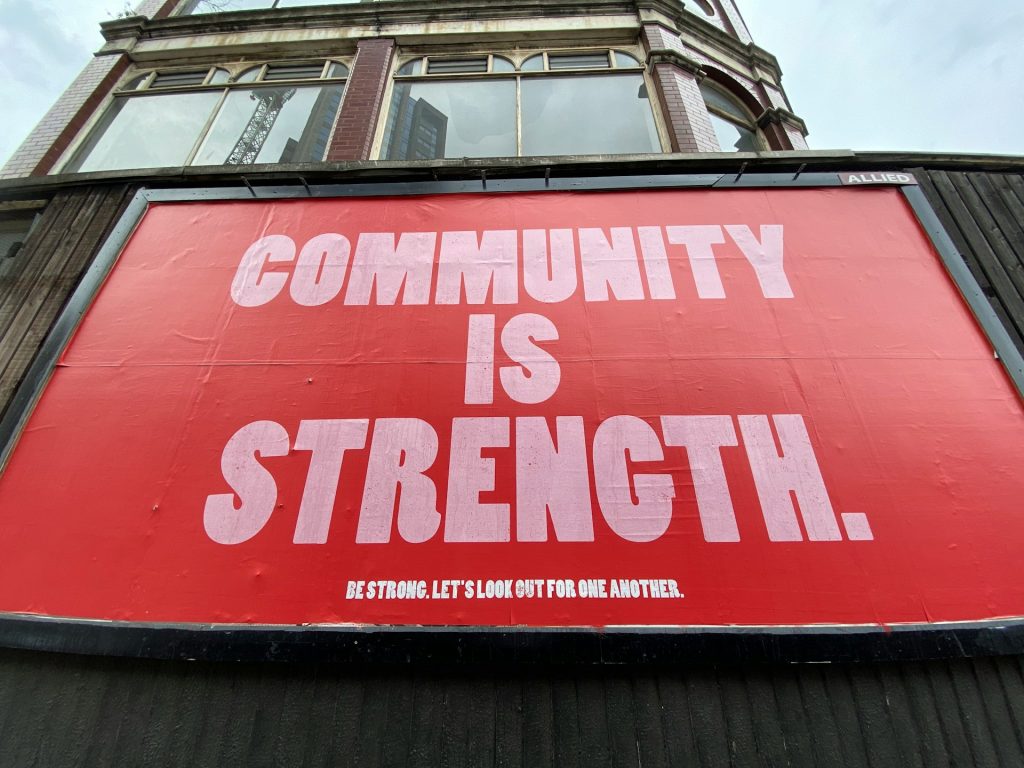
However, relying solely on these communities can unintentionally limit long-term opportunities. Community networks often overlap in similar job sectors, which increases competition and may slow career progression if you don’t expand beyond them. Professional growth in Montreal usually requires building broader connections, improving language skills—especially French—and engaging with diverse workplaces. True integration involves stepping outside your comfort zone, interacting with people from different backgrounds, and adapting to local workplace culture. While your community can support your transition, long-term success depends on actively widening your network and embracing the full diversity of the city.
Cost of Living Snapshot
Compared to other major Canadian cities:
- Rent: Moderate.
- Public transport: Affordable.
- Food: Reasonable.
- Taxes: Higher in Quebec.
Settling In: One More Travel Tip
If you’re planning multiple trips (exploration + final move), choosing flexible airfare is essential.
Compare flight options and deals here:
Check latest flight prices to Montreal
Tips for Success in Montreal
- Start learning French before you arrive.
- Use free government language programs.
- Build a local network early.
- Be open to starting with survival jobs.
- Tailor your resume to Canadian standards.
- Stay persistent—progress takes time.
What to do after arriving?
Montreal can be a very rewarding choice for immigrants, but it works best when you plan your arrival experience in advance rather than trying to figure things out after landing. One of the smartest first steps is to book your hotel before you arrive so you can settle immediately without stress, when you talk about choosing centrally located hotels near areas like Downtown Montreal or Plateau Mont-Royal. Having a confirmed place to stay helps you adjust faster, recover from travel, and start exploring the city with confidence.
The second important step is arranging airport transportation in advance, especially if you’re arriving with luggage or during winter months. Montreal’s airport (YUL) is about 20–25 minutes from the city center, so pre-booked rides can make the transition smoother. Book your taxi here for stress-free arrival or safe transport from Montréal-Trudeau International Airport to your hotel. It improves convenience for newcomers who may not yet understand local transit systems or want to avoid confusion after landing.
Is Montreal the Right Choice?
Montreal offers a unique blend of affordability, culture, and opportunity—but it demands effort in return. The city rewards those who adapt, especially those willing to embrace the French language and local culture.
For immigrants, Montreal is not just a destination—it’s a test of resilience, flexibility, and long-term commitment.
If you come prepared, stay patient, and invest in integration, Montreal can absolutely become the place where your ambitions turn into reality.
Frequently Asked Questions (FAQs)
Q: Do I need French to live in Montreal?
Ans: You can survive with English, but for better job opportunities and long-term growth, French is essential.
Q: Are jobs easy to find in Montreal?
Ans: Entry-level jobs are relatively accessible, but professional roles require skills + French + networking.
Q: Is Montreal cheaper than Toronto?
Ans: Yes, especially in terms of rent and daily expenses.
Q: Can immigrants work in IT without French?
Ans: Some companies operate in English, but opportunities are limited. Learning French increases your chances significantly.
Q: What challenges do newcomers face the most?
Ans:
- Language barrier
- Job market competition
- Credential recognition